

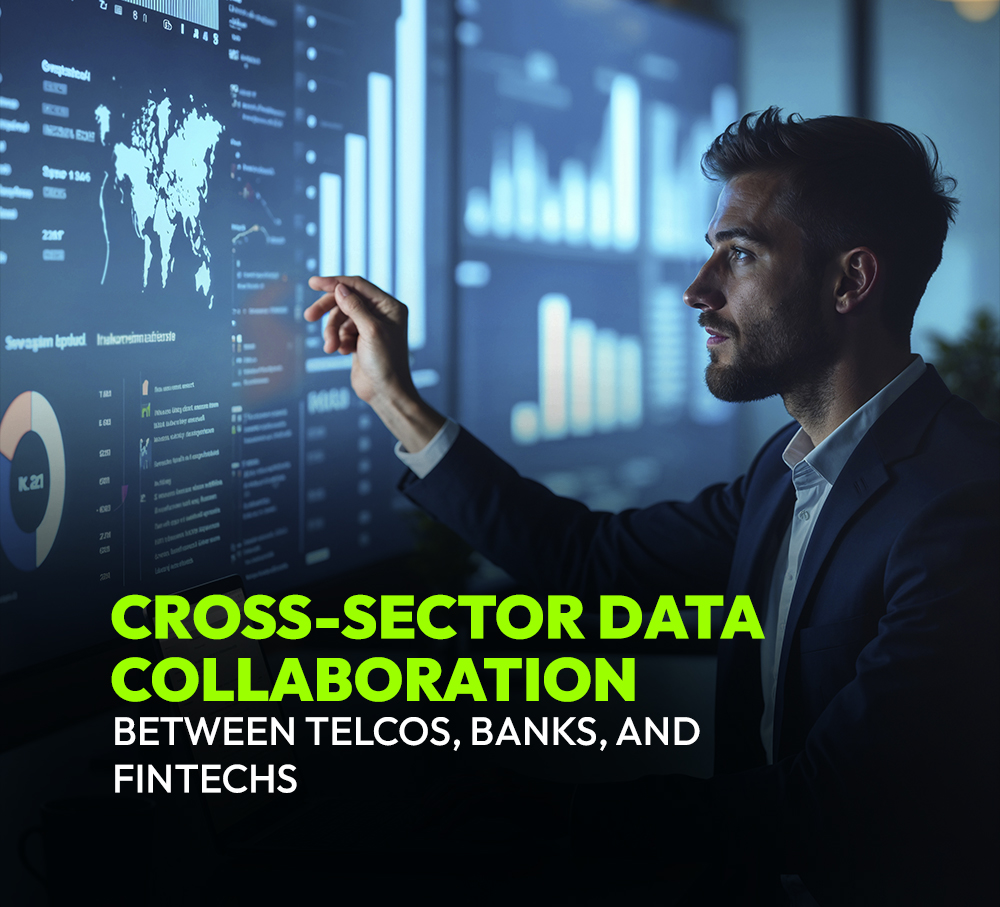
Data has become one of the most valuable assets in modern financial services. Yet, its true value emerges when information can move securely and responsibly across sectors. In Vietnam, collaboration between telecommunications providers, banks, and fintech companies is creating new opportunities to expand financial access, improve risk assessment, and build more personalized customer experiences. As the country’s financial ecosystem grows increasingly interconnected, cross-sector data partnerships are becoming an important driver of innovation, inclusion, and operational efficiency. This shift is also driving the increasingly influential market popularly known as Fintech Vietnam within the region’s financial services sector.
Why Telcos Have Become Critical Players in Vietnam’s Financial Ecosystem
Telecommunications providers occupy a unique position in Vietnam’s financial ecosystem because they connect millions of consumers, including populations that have traditionally remained outside the formal banking sector. Through extensive mobile networks and customer touchpoints, telcos provide an effective bridge between cash-based communities and formal financial services.
Deep Rural Penetration
With widespread mobile connectivity and extensive agent networks across remote provinces and mountainous regions, telcos can deliver financial services where traditional banking infrastructure remains limited. Their reach enables broader participation in the formal economy and supports national financial inclusion objectives.
Mobile Money Adoption
Vietnam’s Mobile Money initiative allows consumers to conduct everyday transactions using mobile accounts without requiring a conventional bank account. This capability expands access to digital payments for individuals who may not own smartphones or have reliable internet connectivity.
Bridging Cash and Digital
Thousands of telecom service points enable customers to deposit and withdraw cash conveniently. This physical network helps users transition gradually from cash-based transactions to digital financial services.
Market Impact and Ecosystem Synergy
Telecom operators such as Viettel, VNPT, and MobiFone benefit from large subscriber bases that support the rapid adoption of services like Viettel Money and VNPT Money. Integration with national digital identity frameworks, including biometric verification systems, has strengthened customer authentication processes. Beyond payments, telcos increasingly support QR transactions, wallet interoperability, and integrated financial services that contribute to a broader financial technology ecosystem.
The Rise of Alternative Data in Lending and Financial Inclusion
Traditional lending models often exclude individuals with limited banking histories. Alternative data is changing this dynamic by helping institutions evaluate creditworthiness using a broader range of behavioral and transactional indicators.
Moving Beyond Traditional Credit Scores
Many rural workers, small merchants, gig workers, and women entrepreneurs possess limited formal credit records despite demonstrating consistent financial activity. Alternative data enables lenders to assess actual economic behavior rather than relying solely on historical borrowing records.
Key Alternative Data Sources
Digital Payments and Wallet Activity
Transaction frequency, payment consistency, and merchant interactions provide valuable insights into financial habits and cash flow patterns.
Cash Flow and Open Banking Data
API-driven access to banking information allows lenders to assess income patterns, expenditure management, and account activity in near real time.
Utility and Telecom Payments
Consistent payment of electricity, water, internet, and mobile bills can serve as indicators of financial responsibility and repayment capacity.
Behavioral Data Signals
Mobile usage patterns, app engagement, and purchasing behaviors help institutions create more comprehensive risk assessments while expanding credit access to underserved populations.
Data-Sharing Infrastructure and API Standardization Challenges
Despite the benefits of collaboration, significant technical challenges remain.
Fragmented API Ecosystems
Many financial institutions, fintech firms, and telecom operators continue to operate on different technology architectures. This fragmentation complicates data exchange and increases integration costs.
Lack of Unified Standards
Without common interoperability standards, organizations often develop custom integrations that limit scalability and create operational inefficiencies.
Real-Time Consent Management
As data-sharing partnerships expand, institutions must manage customer permissions dynamically while ensuring transparency regarding how information is collected, accessed, and utilized.
Data Portability Requirements
Customers increasingly expect the ability to move financial information between platforms. Supporting secure portability remains a key requirement for future ecosystem growth.
Cloud-Native API Orchestration
Modern cloud-based API management solutions are helping organizations coordinate complex data exchanges while improving scalability, governance, and performance.
Regulatory and Privacy Challenges in Cross-Sector Collaboration
Cross-sector data partnerships require strong governance frameworks to maintain public trust and regulatory compliance.
Customer Consent Management
Organizations must ensure that customers clearly understand what data is being shared, who can access it, and for what purposes.
Data Localization and Sovereignty
As governments place greater emphasis on national data protection, organizations must navigate localization requirements while supporting innovation.
Third-Party Risk Management
Financial institutions remain accountable for risks introduced by external partners. Robust due diligence and oversight mechanisms are essential.
Cybersecurity Exposure
As systems become increasingly interconnected, the attack surface expands. Continuous monitoring, encryption, and threat management are critical safeguards.
Explainable AI Requirements
When shared datasets support automated decision-making, organizations must ensure transparency and explainability to satisfy regulatory expectations and maintain consumer confidence.
How Shared Data Ecosystems Are Reshaping Financial Products
Cross-sector collaboration is enabling entirely new financial products and business models.
Embedded Lending and Contextual Finance
Financial services can now be integrated directly into customer journeys, enabling lending decisions at the point of need based on real-time data.
Personalized Insurance and Credit Products
Combined datasets allow institutions to develop highly targeted offerings that align with individual customer profiles and risk characteristics.
AI-Driven Customer Segmentation
Advanced analytics enables providers to understand customer behavior more accurately, resulting in more relevant products and improved customer engagement.
Telecom-Fintech Super-App Ecosystems
Integrated platforms are emerging that combine payments, lending, insurance, savings, and lifestyle services within a single customer experience. This trend continues to gain momentum across the Southeast Asia fintech market.
Revenue-Sharing Models
Collaborative ecosystems are creating new commercial structures where partners generate mutual value through data-sharing arrangements while maintaining compliance with regulatory requirements.
Explore Connected Financial Ecosystems at WFIS Vietnam
As Vietnam strengthens its position within regional finance and technology networks, industry collaboration is becoming a central theme for future growth. Discussions around open finance, digital identity, data governance, financial inclusion, and cross-sector partnerships were key highlights during previous editions of WFIS Vietnam. These conversations continue to shape the future direction of the country’s banking and financial services sector while reinforcing its role within the broader ASEAN financial technology event community.
WFIS Vietnam 2027, taking place in Hanoi on 25 – 26 May, will bring together BFSI leaders, C-suite executives, government officials, policy makers and tech innovators to discuss the future of financial inclusion and innovation. The event offers a unique platform to exchange insights, explore partnerships, and address the opportunities created by cross-sector collaboration. Join the conversations shaping Vietnam’s financial future and connect with the decision-makers driving meaningful industry progress.
Frequently Asked Questions
1. Why is cross-sector data collaboration becoming important in Vietnam’s financial services sector?
Cross-sector collaboration allows banks, telecom operators, and fintech firms to combine insights, improve customer experiences, strengthen risk assessment models, and expand financial inclusion across underserved populations.
2. How can telecom data support financial inclusion initiatives in Vietnam?
Telecom data helps identify customer behavior, payment patterns, and service usage, enabling financial institutions to offer credit and digital financial services to previously underserved individuals.
3. What are the biggest challenges in implementing data-sharing partnerships?
Organizations often face interoperability issues, consent management complexities, cybersecurity concerns, regulatory compliance requirements, and difficulties in establishing standardized data-sharing frameworks across industries.
4. How does alternative data improve lending decisions for financial institutions?
Alternative data provides visibility into customer financial behavior beyond traditional credit histories, helping lenders evaluate risk more accurately and extend services to thin-file borrowers.
5. Why should industry leaders attend WFIS Vietnam 2027?
WFIS Vietnam 2027 offers direct access to decision-makers, policy discussions, emerging technology trends, strategic partnerships, and insights shaping the future of financial inclusion and innovation.