

Strong data tools, smart risk controls, and real-time connections are changing the way people interact with money in Vietnam; because these features are redesigning how banks plan new services and manage daily operations, while also making it easier for users to control payments, track funds, and access financial guidance whenever they need it.
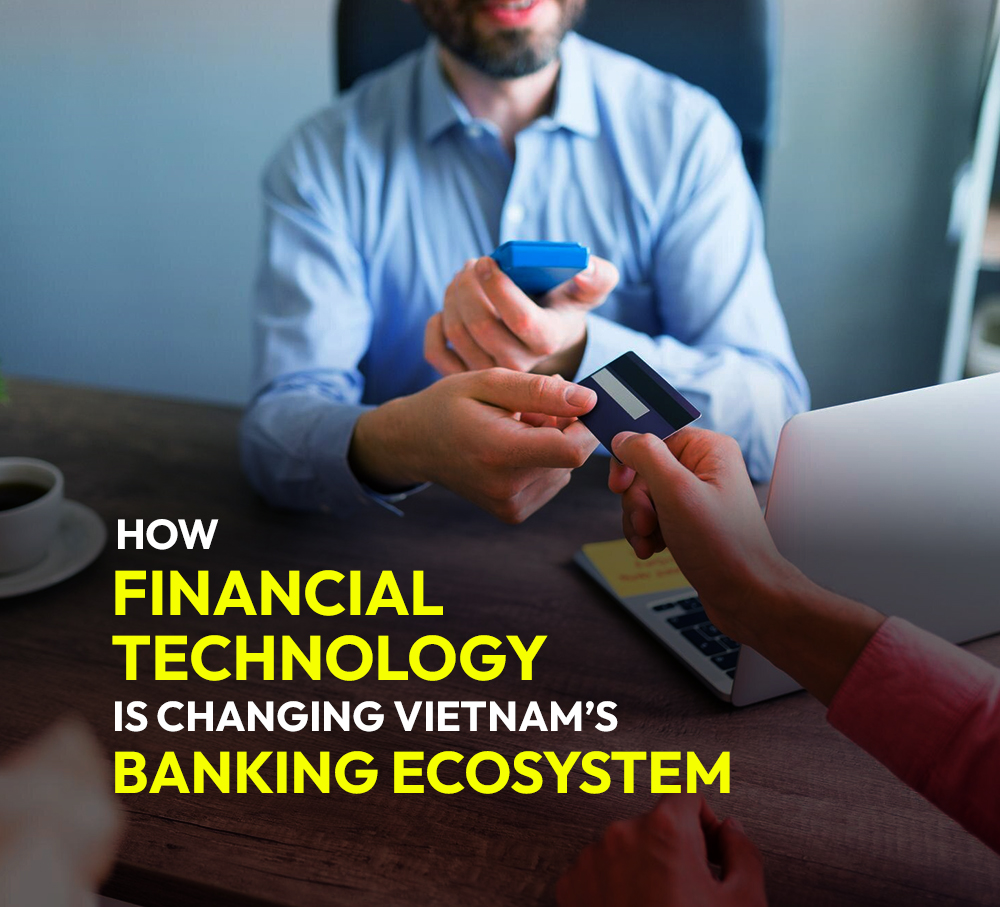
This evolution reflects the rise of an expanding domain known as ‘financial technology Vietnam,’ which is influencing digital and financial tools across sectors. It is also helping promote financial inclusion by giving more people access to clear, simple, and reliable banking services.
New Digital Rails Support Faster Banking
Banks rely on stable digital rails to move money seamlessly across apps, accounts, and cards. These rails handle large volumes with minimal delay, further supporting transfers, bill checks, and online payments. A new wave, which is titled, ‘Fintech Vietnam’ has firms building tools that connect to these rails, improving the flow of money.
Today, people can use simple apps for common tasks, like checking bank balances in seconds, moving funds with just a few taps, paying bills without having to stand in long queues, and more. This shift, therefore, has been able to increase convenience for customers, and set new standards for daily banking.
Data Tools Improve User Decisions
Data tools help people understand how they spend and save money by providing clear charts, timely alerts, and step-by-step guidance across all aspects of money management. By providing insights into people’s everyday financial habits, especially those of spending-and/or-saving, these tools enable users to make smarter financial decisions and be able to financially plan ahead with confidence.
Banks utilize similar tools to study and analyze patterns. They spot errors and address risks early. Therefore, the use of such strong data tools drive the adoption of, what one can call, a ‘fintech solution’ – which in itself enables newer, more sophisticated digital services for people who want detailed control over their finances.
Simple Onboarding Expands Access
Easy onboarding, for instance, helps more people enter the formal banking system. It enables users to open accounts through digital ID checks and mobile scans, guided by clear, simple steps within an app. The system then pulls data from trusted sources to verify identities and confirm them reliably.
This process undoubtedly enhances financial inclusion. By enabling people – who previously lacked access – to participate in the banking system using just their phones, the barriers related to cost, documentation work, or distance are automatically eliminated.
Additionally, banks are able to reach more users at lower costs with less paperwork, while providing the necessary tools to manage and support their daily financial needs.
Payment Tools Built for Daily Use
Payment apps help people move money quickly and conveniently. They allow users to link bank accounts, cards, and QR codes – making payments simple across shops, public services, and online stores. This flexibility helps people rely on digital payments both at home and in the workplace.
These digital and cross-platform advances also reshape the ecosystem of a rising ‘fintech Vietnam’ by influencing user expectations – making them want faster, more secure transactions that are available at any time.
In response, banks and fintech companies in Vietnam are obliged to develop more services designed to meet this demand and support everyday financial activity.
Use of Automation to Reduce Effort
Automation handles simple, routine tasks with little to no user input. Features like auto-pay ensure bills are cleared on time, while auto-save moves funds into savings based on rules priorly set by the user. Timely notifications act as reminders of upcoming due dates or low balances, helping them stay on track.
Together, these tools support healthier long-term financial habits. They reduce stress, build trust, and make money feel more manageable.
The wider use and adoption of financial technology in Vietnam helps create more features that remove unnecessary steps, and simplify the overall user experience.
Better Credit Access Through Smart Models
Smart models can assess creditworthiness from multiple data sources. They identify patterns from mobile usage, payment history, and verified databases, enabling banks to offer small loans to a wider range of people.
Such a system fundamentally supports financial inclusion by opening access to credit for people with limited financial records.
It is through this expanded access that users are able to grow businesses, cover short-term needs, and manage personal plans without prolonged delays. This has also helped banks reach new customers through safe, transparent methods.
Safer Systems Built on Multi-Layer Verification
Safety, above all, is a core requirement for both banks and users.
Modern tools monitor risk in real time by analyzing device IDs, login patterns, and spending behavior, making it efficiently quick to block suspicious activity instantaneously.
For more complex cases, banks combine these automated checks with human oversight. This balanced approach helps build trust in the domain introduced earlier in the blog – ‘fintech Vietnam’ – which supports the development of new digital services that rely on strong safety.
Enhanced Scale Via Cloud Platforms
Cloud platforms enable banks to update tools quickly, handle high traffic during peak hours, and implement new digital workflows without the need for large hardware costs. This flexibility gives banks the freedom to experiment with new ideas and services – making innovation faster and more responsive to user needs.
Such an environment enables fintech solution providers to build and launch new features at the right, optimal time. It also supports stronger collaboration between banks and tech firms, strengthening the overall fintech ecosystem.
How Do These Changes Shape Vietnam’s Banking Future?
Vietnam’s banking transformation is driven by tangible technological gains – as people increasingly expect tools to respond quickly, apps to guide daily financial decisions, and secured systems to operate without cumbersome procedural requirements.
The combination of robust data tools and streamlined digital onboarding drives this progress, further enabling people to control their funds with ease.
These help banks build smarter, more stable services, and enable the sector to grow in a clear, structured way.
Why & How We Support Banking Innovation Through WFIS (World Financial Innovation Series)
As Vietnam’s banking sector evolves, the next phase of growth depends ultimately on the vision and leadership guiding that transformation. It depends on leaders who embrace innovation in fintech tools, data insights, and digital platforms, which translates into more sophisticated services for people, and smarter strategies for banks.
We therefore support such forward-thinking leaders through our exclusive, sector-specific platform – the Chuỗi Đổi mới Tài chính Thế giới (WFIS) which brings together key stakeholders, industry leaders, regulators, fintech innovators, and other respected practitioners of the field to share insights, build networks, and collectively plan the next phase of growth across Vietnam’s banking and fintech ecosystem.
What the WFIS Offers
Global Gathering of Leaders
- 500+ pre-qualified delegates constituting 100+ leading organizations
- 40+ industry speakers
- 25+ solution providers
Influence & Access
- A large majority of the delegates hold significant purchasing power.
- Direct access to key decision-makers.
- One-on-one meetings with pre-qualified buyers.
Aligned With Government Goals
- WFIS advances Vietnam’s long-term digital banking roadmap.
- Aligned with the national sandbox framework for advanced technologies.
Key Topics of Discussion
- ‘Future of Monetary Innovation in Vietnam’
- ‘Architecting Cloud-Based Banking Platforms for Scale’
- ‘Advancing Responsible AI Adoption in Banking,’ and many more.
- Led by industry experts and government representatives.
#WFISAwards
- Curated to recognize excellence in innovation, leadership, and impact across Vietnam’s banking, fintech, and financial services ecosystem.
- Provides industry-wide visibility and credibility.
- Categories include: IT Maestro of the Year, GRC Advocate of the Year, Data & Analytics Leader of the Year, Retail Banker of the Year, Marketing Leader of the Year, Cyber Practitioner of the Year, CX Innovator of the Year, Woman Influencer in FSI, and Digital Banking Champion of the Year.
Register Today!
It is evident, so far, that Vietnam’s banking sector is undergoing a remarkable transformation, driven by the rise in demand for enhanced financial technologies.
These innovations empower citizens of Vietnam with greater control over their finances, fostering safer and faster transactions, and promoting financial inclusion across the country.
Join WFIS, the nation’s flagship platform reshaping the future of Vietnam’s financial ecosystem.
Register for the event today to connect with the sharpest, brightest, most influential minds in the industry, to collaborate, gain insights, and drive meaningful change.
Event Details
- Date: May 19 – 20, 2026
- Venue: Meliá Hanoi, Vietnam
Be part of the next wave of innovation in banking and fintech!